
Automating The Mundane: Applying A Singapore-Proven RPA Model To Johor Bahru Service Firms
Service companies in Johor Bahru are currently facing a critical productivity gap. As the competition for talent between JB and Singapore intensifies, local firms often struggle with high administrative turnover and operational delays. This case study highlights a proven automation model, originally implemented for a major Singaporean service firm, and explains how its success can be replicated in Johor to solve various back office bottlenecks.
By replacing manual data entry with Robotic Process Automation (RPA), that firm successfully transitioned four full-time administrative staff into revenue-generating indoor sales roles. This shift did not just remove a job commencement delay; it transformed a costly administrative overhead into a proactive sales force, providing a clear blueprint for Malaysian companies.
What Johor Bahru Service Leaders Can Learn From Singaporean Automation Models
The core lesson from this Singapore implementation experience is the “redistribution of human value.” In high-volume service environments, staff are often stuck monitoring mailboxes and manually entering contract details into their systems. In the original case, a bot running 24/7 on a single laptop eliminated the need for four manual roles. The headcount saving was not about downsizing. Instead, it focused on talent optimisation by moving staff from low-impact data entry to proactive sales functions. For a firm in Johor, this represents a significant opportunity to drive growth without increasing fixed office costs.
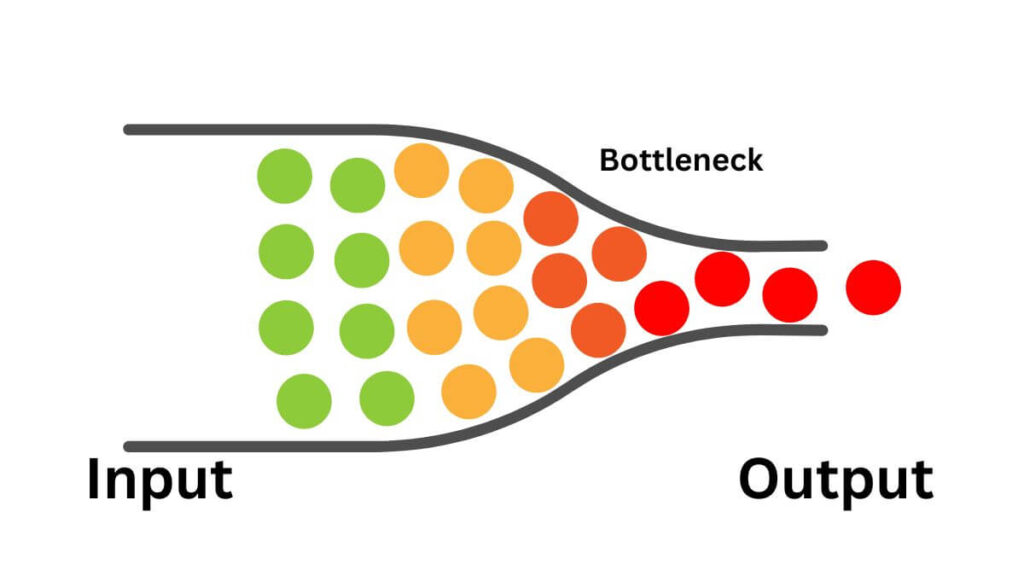
How Manual Processes Cause Operational Delays
In a high-volume service environment, the internal system is the source of truth for operations across the region. If data, whether it is a new contract, a service renewal, or a parts requisition, is not created in the system, the entire workflow stalls. This creates a friction point where resources might be ready to deploy, but are unable to proceed because of a backlog in the office.
Manual entry is prone to several risks:
- Variable Delays: Backlogs during festive seasons or when staff are on leave.
- Data Mismatches: Errors between the initial request and the final system entry that prevent downstream teams from accessing the correct information.
- The Talent Drain: The time taken to retrain new admins when existing ones leave for more exciting opportunities across the border.
Comparing Manual vs. RPA-Driven Operational Lifecycles
| Feature | Manual Administration | RPA Digital Worker |
|---|---|---|
| Availability | Office hours only | 168 hours/week (24/7) |
| Scalability | Limited by hiring speed | Instant scaling as volume grows |
| Error Rate | Prone to fatigue and typos | 0% (Rule-based execution) |
| Strategic Value | Low value data entry | High value data integrity |
Moving Beyond “The Mundane”: Retaining Talent In Johor
The modern workforce in Johor Bahru has little appetite for repetitive, copy-paste tasks. With the proximity to Singapore, the competition for skilled talent is fierce. By automating the mundane aspects of office administration, companies can offer more meaningful career paths that actually retain staff locally.
In the original Singaporean study, the four staff members were redeployed as indoor sales agents. This transition was logical because they already understood the business requirements and customer needs. However, the broader opportunity for any Johor-based business is moving trained talent into growth-oriented roles that offer clear progression. Whether in sales, account management, or technical coordination, giving employees a path to advance their careers provides the professional growth that keeps them engaged.
Removing The Manual Bottleneck In Repetitive Processes
One of the most effective ways to scale an operation is to identify where human intervention is redundant. In this case, the bottleneck was the manual transfer of information from incoming requests into the internal database. Many business owners believe they need expensive enterprise software to fix this, but the beauty of RPA is that it works with whatever systems you already have in place.
In RPA, the bot is triggered automatically by specific digital events, such as the arrival of a new file, a schedule-based check, or an incoming message. Once activated, it logs into your existing software and completes the data entry exactly like a human would. Because it operates 24/7 without fatigue, it ensures your internal records are always current. This allows your operational teams to move forward with their work immediately, completely bypassing the typical office backlog.
Understanding The Difference: RPA vs AI Agents
While RPA is excellent for repetitive tasks, many business owners are now hearing about AI agents. It is important to understand which one solves your specific problem.
RPA (Robotic Process Automation) is like a “digital arm.” It excels at following strict, rule-based instructions. If your process involves taking data from point A and putting it into point B without needing to make a subjective judgment, RPA is the most reliable and cost-effective choice. It does exactly what it is told, ensuring 100% accuracy in data entry.
AI Agents, on the other hand, act more like a “digital brain.” They use large language models to handle unstructured data, such as interpreting the tone of a customer email or making decisions based on complex variables. While AI agents can handle more “fuzzy” tasks, they are often more complex to deploy for simple data entry. For most companies in Johor dealing with administrative backlogs, starting with RPA provides the fastest return on investment because it stabilises the core operational workflow.
Is RPA Right For Your Johor Business?
If your operations are currently limited by how fast your office staff can type and copy-paste, you are likely losing revenue. Transitioning to RPA is particularly effective for Johor companies looking to:
- Reduce administrative overheads in a competitive hiring landscape.
- Eliminate operational gaps between office processing and business execution.
- Boost capacity by moving office staff into high-value, growth-oriented roles.
For Malaysian SMEs, these automation initiatives are often supported by MDEC Digital Grants, making the transition to a digital workforce a financially sound decision for local business owners.
Book A Free Automation Consultation
If you are unsure where to start or which processes in your business are ripe for automation, we can help. We offer a free initial consultation to review your current office workflows and identify the bottlenecks that are costing you time and money. Our team will provide a clear roadmap on how you can implement these Singapore-proven strategies within your Johor operations to improve efficiency and retain your best talent. Contact us today to schedule your session.